
Is My Baby Ready for Solids? Signs to Look For and Common Myths
- Why Readiness Matters More Than Age
- Signs Your Baby Is Ready for Solids
- Signs Your Baby May Not Be Ready Yet
- Common Myths About Starting Solids
- Support & Guidance from Kaleidy and The Mama Coach
Congratulations! Your baby is coming up to the exciting (and messy!) milestone of starting solids. You’re moving out of the newborn trenches and into a new stage of infancy — one where your baby’s personality really begins to shine and they start exploring the world in a whole new way. The fun is about to begin.
While starting solids is exciting, it can also bring a lot of questions and worries. I remember this stage so clearly myself. When I started solids with my first child, I actually dreaded it. I felt nervous and overwhelmed.
- Where do I even start?
- Which foods should I give him?
- Do I need to make fancy, Instagram-worthy meals?!
It all felt like a lot.
The truth is, there isn’t one perfect moment to start solids — and your baby’s developmental readiness matters far more than reaching a certain age. With the right information and support, starting solids can feel much calmer and more manageable.

Why readiness matters more than age
Many babies begin solids around six months, but every baby develops at their own pace. Starting before your baby is ready can lead to frustration for both of you, while waiting until they show signs of readiness makes the experience more enjoyable.
Rather than watching the calendar, it’s much more helpful to watch your baby.
Signs your baby may be ready for solids
Most babies who are ready will show several of these signs:
- They can sit upright with minimal support and have good head and neck control
- They bring objects to their mouth
- They show interest in food when others are eating — watching closely or giving you that longing look.
- They can close their mouth around a spoon
- The tongue-thrust reflex (pushing food straight back out) has reduced (This is a protective reflex babies have when they’re younger.)
These signs tell us that your baby’s body and oral skills are developing in a way that supports safe eating.

Signs your baby may not be ready yet
It’s just as helpful to know what isn’t a readiness sign. Your baby may not be ready if:
- They can’t sit upright or still need significant support
- They push most food straight back out with their tongue
- They show little interest in food
- Mealtimes feel stressful or upsetting
If this sounds familiar, it’s completely okay to pause and try again in a week or two. We want eating to be an enjoyable experience from the very beginning — setting your baby up for a lifelong positive relationship with food and mealtimes.
Common myths about starting solids
Social media can be a very noisy place, and unfortunately there’s a lot of misinformation out there that adds unnecessary pressure. Some common myths I hear include:
- “Starting solids will help my baby sleep better”
- “Babies need teeth before they can eat solids”
- “If my baby is big, they must be hungrier and need solids earlier”
None of these are true.
In reality, solids are about learning and exposure, not nutrition or sleep at the beginning. Breast milk or formula remains your baby’s main source of nutrition throughout the first year. Solids are complementary — they’re about exploring, tasting, learning new skills and having fun!

Want more support beyond the talk?
For parents who would like more in-depth guidance, I also run a full Starting Solids class, available both in person and online. This class covers readiness, first foods, routines, common worries, and how to make starting solids feel calm and manageable in real life — not perfect or pressured.
I also offer private infant CPR and choking response sessions for parents who want extra reassurance and practical skills. These sessions are supportive, confidence-building, and focused on helping you feel prepared — not fearful.
Starting solids is a big step. With the right support, it can be a really fun, positive experience for both you and your baby.
Emma Lewis | The Mama Coach
Registered Children’s & General Nurse Registered Midwife
Mama to Two
Shop Weaning & Feeding
-
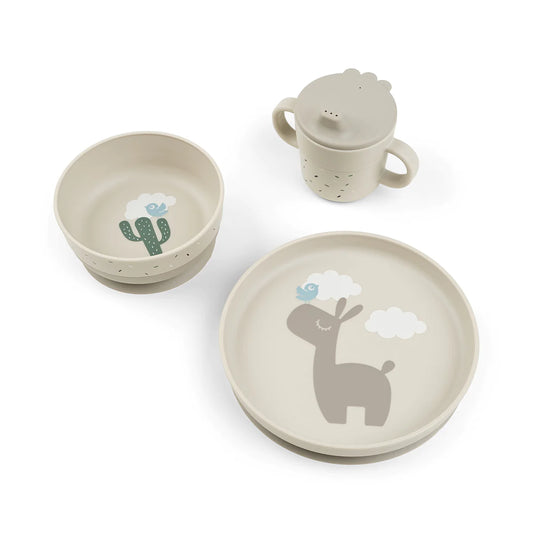
Foodie Dinner Set
1593099Regular price €34.95 EURRegular priceUnit price per -
Baby Feeder
4350216Regular price €12.95 EURRegular priceUnit price per -
Learning Spoon Set - Tiny farm
1159049Regular price €12.95 EURRegular priceUnit price per -
Easy-Grip Spoon & Fork Set - Deer Friends
1126971Regular price €18.95 EURRegular priceUnit price per -
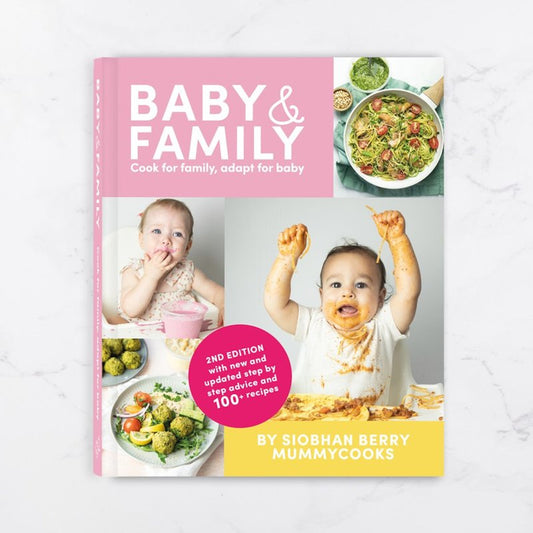
Baby & Family Recipe Book
I4247Regular price €21.95 EURRegular priceUnit price per€0.00 EURSale price €21.95 EUR -
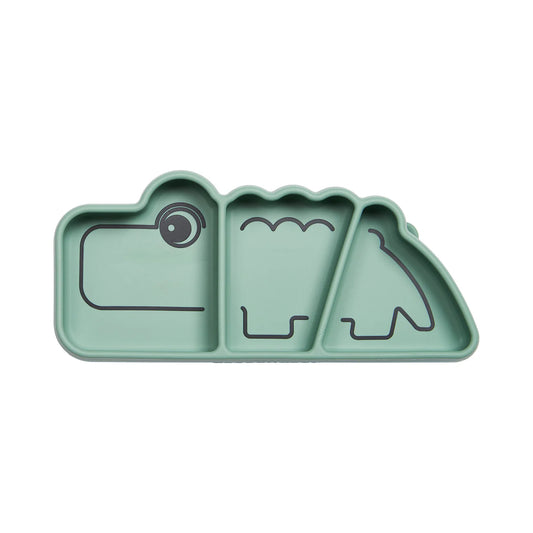
Silicone Stick & Stay Snackplate - Croco - Green
1709353Regular price €19.95 EURRegular priceUnit price per -
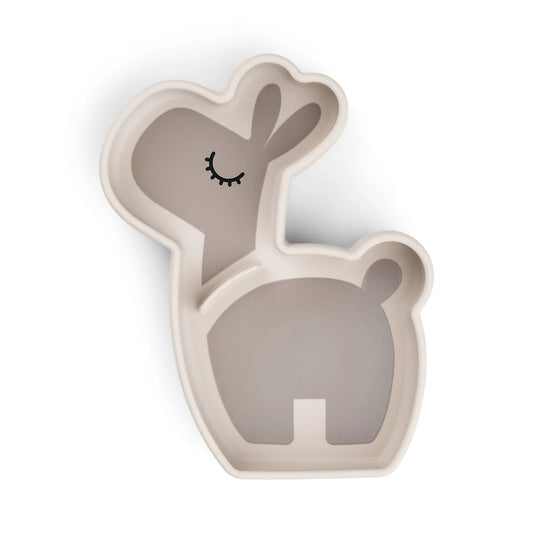
Silicone Stick & Stay Snack Plate - Lalee - Sand
1749249Regular price €19.95 EURRegular priceUnit price per -
Nova Highchair Accessory Pack
611025/HARegular price €60.00 EURRegular priceUnit price per